Design Principles and Planning
Site assessment and goals
The garden grows when we listen to the land, not when we overpower it! “Great gardens listen to the land before they grow,” a guiding quote that rings true in South Africa’s varied climate. In our approach to garden design and landscaping, water, sun, and soil are storytellers, not obstacles.
Design principles and planning begin with a rigorous site assessment and clear goals. I map sun paths, assess wind, test soils, and imagine how spaces breathe across seasons. A simple list frames the work:
- Sun exposure, shade pockets, and microclimates
- Water-wise planting and efficient irrigation
- Circulation, sightlines, and accessibility
- Texture, material durability, and maintenance needs
From there, garden design and landscaping harmonize form with function, weaving native, drought-tolerant plantings into a resilient tapestry that thrives in SA summers and winter rains. The goal is spaces that invite reflection and share quiet joy with every breeze.
Spatial layout and zones
Dark corners teach patience, and in South Africa’s sun-scorched climate the most persuasive gardens listen rather than command. In garden design and landscaping, spatial layout becomes a nocturne—the path, shade, and gaze harmonize with the land’s tempo. I tread the plan like a map through a moonlit savannah, letting zones unfold with natural cadence rather than rigid grids. Listen!
- Entrance and arrival area shaping first impressions
- Outdoor living room for gatherings and respite
- Quiet meditation nook sheltered from glare
- Proximity kitchen garden for herbs and greens
- Water-wise beds and a rain garden for stormwater
Circulation, sightlines, and durable materials stitch the zones into a coherent tapestry, sustaining native, drought-tolerant plantings that breathe with SA seasons. The result invites quiet reflection and shared quiet joy with every breeze.
Proportion and scale in outdoor spaces
In SA’s wind-swept climate, 1 in 3 new gardens wilt when scale and proportion misalign. Proportion is the quiet conductor of outdoor spaces; it lets paths breathe, walls lean softly, and night settle into a measured hush.
In garden design and landscaping, proportion and scale are not ornaments but weathered totems that speak to the land’s memory—the silhouettes of trees, the house’s line, the horizon’s edge. Let massing retreat where shade is scarce and boldness bow to quiet corners; the eye will glide, not glare.
A few principles anchor this design in the night:
- Proportion in surrounding forms
- Cadence and sightlines
- Focal anchors for balance
Accessibility, maintenance, and safety
Design principles that honor accessibility stitch light and safety into the garden’s fabric. In South Africa’s wind-swept yards, a clear route and welcoming entrances turn hazards into quiet confidence. When paths breathe and scales align, maintenance becomes predictable; I’ve seen this bloom.
Plan with movement in mind: generous sightlines, level thresholds, and tactile cues guide every step. This is at the heart of garden design and landscaping—where texture, shade, and seating invite linger.
- wide, level paths with non-slip surfaces
- well-placed seating and handrails at key junctions
- clear edge markers and after-dark lighting for safety
Maintenance and safety emerge as quiet guardians: durable materials, sun and rain resilience, irrigation that respects walkways, and storage tucked away from paths. The rhythm of pruning and seasonal cleanup helps the space breathe through storms.
Planting Design and Selection
Climate-aware plant choices and microclimates
Across South Africa, climate mismatch accounts for a sizable share of garden misfires—63%, a number that sticks. Planting Design and Selection is where resilience begins, a core thread in garden design and landscaping. By reading the sun, wind, and soil as a single story, you can steer a space from dormancy to bloom without wasting water or effort.
Climate-aware plant choices begin with microclimates—those tiny pockets behind a wall or under a balcony. Select species for the light and moisture actually present: drought-tolerant natives in hot alcoves, shade-loving perennials under eaves, and cool-loving edibles in sheltered corners. This mindful match cuts maintenance and boosts year-round colour.
To visualise, planting groups are mapped by water, light, and wind. Consider these groupings:
- Drought-tolerant natives
- Shade-tolerant perennials
- Wind-sheltered edibles
This discreet approach underpins vibrant outdoor spaces in South Africa.
Color theory, textures, and seasonal interest
“Color speaks first,” a simple truth driving garden design and landscaping. In planting design and selection, hues, textures, and rhythms guide the eye through seasons—from blistering summer sun to velvet winter shade. I love imagining warm citrus tones orbiting cool greens, punctuated by tactile leaves and architectural silhouettes that stand up to wind. When the palette embraces the South African light, seasonal interest blooms like a chorus, lively in spring and serene in the off-season alike.
- Color relationships: warm vs cool tones create movement and mood
- Texture contrasts: smooth, fuzzy, and sculptural foliage for depth
- Seasonal pivots: bulbs and annuals for spring, evergreens for year-round structure
Together, these choices weave garden design and landscaping into spaces that feel purposeful, tactile, and distinctly South African.
Soil health and bed preparation
Healthy soil is the quiet engine of plants; in South Africa’s climate mosaic, good soil health and thoughtful bed preparation unlock resilience and color. The gardener’s eye in planting design and selection is guided by what the ground is willing to offer—water on demand, nutrients, root space.
I see planting design and selection as a dialogue with soil. Textures, pH, drainage, and organic matter shape choices like bulbs, perennials, and shrubs that can endure our sun and wind. When soil expresses itself—loamy or sandy—designs tilt toward species that harmonize with the substrate and microclimates!
- Soil health fundamentals: organic matter, soil structure, microbial life
- Bed preparation concepts: drainage, compaction, mulch, and weed suppression
- Plant matching: drought-tolerant, deep-rooted options aligned to local climate
In short, this completes the picture of garden design and landscaping in a country where soil and climate demand smart choices.
Planting schemes: beds, borders, and containers
“A garden is climate in motion,” and in South Africa that motion translates into color, texture, and resilience through planting design and selection. Planting schemes—beds, borders, and containers—offer a canvas where drought-smart perennials meet sun-loving shrubs. A bed can curve like a coastline, a border can whisper with seasonal echo, and a container can pivot to a sun-drenched patio.
The grouping of plants creates rhythm without clutter, with three core approaches guiding the eye: a sculpted bed, a changing border, and a container ensemble that shifts with mood and weather.
- beds: curvilinear sweeps and focal points
- borders: texture, contrast, and blooming cadence
- containers: portable color on terraces and approaches
This is the essence of garden design and landscaping.
Native and drought-tolerant options
In South Africa, proper plant choices can slash irrigation bills by up to 40%, proving that style and thrift can share a sunlit table. This is garden design and landscaping done with climate in mind—native, drought-tolerant options that weather heat and drought with flair. The goal is a palette that stays vibrant even when rain plays hide-and-seek.
- Aloe ferox
- Agave americana
- Protea neriifolia
- Eriocephalum africanum
These stalwarts bring sculptural form, warm texture, and long-season color without fuss. Grouping them by sun exposure and bloom cadence creates a living rhythm that survives the drought and invites curious footsteps.
Hardscaping, Water Features, and Outdoor Structures
Hardscape materials, durability, and style
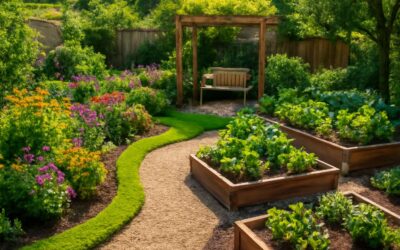
Hardscaping is the tuxedo of garden design and landscaping: sharp, reliable, and ready for anything the SA sun throws at us. Stone, concrete, timber—these materials form durable backbones for paths and patios, guiding foot traffic and defending against erosion. When done right, your outdoor spaces feel intentional, not an afterthought.
Water features bring motion, cooling, and a whisper of serenity. A recirculating pond, a trickling wall, or a fountain can become a focal point without swallowing the budget. Materials should harmonize with paving, with practical details quietly working in the background.
Outdoor structures extend living space and create shade.
- Pergola
- Timber deck
- Shade structure
Together, they craft a garden that feels designed, not improvised—an inviting stage for everyday life.
Paths, patios, and circulation patterns
In South Africa’s sun, hardscaping is the tuxedo of garden design and landscaping—sharp, reliable, and ready to stand against erosion and time. Stone, concrete, timber form the backbone, quietly guiding paths and patios. When restrained, the yard reads intentional, a silhouette rather than a cluttered dream. “Form follows function,” whispered into the shadows.
Water features arrive like a soft whisper: a recirculating pond, a wall of trickle, or a fountain that catches the light without devouring the budget. The trick is harmony—the materials echo the paving, sightlines stay uncluttered, and the sound remains subtle enough to soothe, not shout.
Outdoor structures extend living space and shade—pergola, timber deck, shade structure—while paths, patios, and circulation patterns choreograph the flow through the garden. Together, they craft a space that feels designed, not improvised—an arresting backdrop for quiet coffee or a moonlit supper.
Irrigation, drainage, and water efficiency
Across South Africa’s climate, hardscaping is the tuxedo of garden design and landscaping—durable, elegant, built to outlast the heat. Smart irrigation can cut garden water use by up to 50%. Stone, concrete, and timber anchor paths and seating, guiding movement with quiet authority. Water features should whisper—a recirculating pond or trickle wall that catches light without stealing the scene. Outdoor structures extend shade and living space, turning corners into usable rooms.
Here are practical considerations that weave these elements into a coherent whole:
- zone-based irrigation with drip lines and smart controllers
- rainwater harvesting and reuse for beds and features
- permeable hardscape and graded drainage to prevent pooling
- low-energy pumps and recirculating systems for water features
Together, these choices shape a landscape that performs with grace and restraint, a rhythm of stone, water, and shade that supports lasting garden design and landscaping in South Africa.
Lighting design for safety and ambiance
Lighting is the poetry that turns a yard into a nighttime room. In garden design and landscaping, the right glow reveals textures, softens edges, and invites lingering under SA skies. Experts say outdoor lighting can add up to 30% more usable space after sunset.
Hardscaping provides the quiet backbone—stone, concrete, timber that withstand heat and light. Thoughtful patterns guide footfall, frame seating, and carve intimate corners, so paths remain legible even after dusk.
Water features should whisper, not shout: a recirculating pond, a gentle trickle wall, light catching facets without stealing the scene. Efficient pumps and smart controls keep beauty steady and economical.
Outdoor structures extend shade and social space, turning corners into rooms. Lighting design for safety and ambiance blends path lights, step accents, and warm wash—crafted to feel natural rather than flamboyant.
- low-energy LEDs with warm color temperature
- shielded fixtures to minimize glare and wildlife disruption
- timed controls aligned to seasonal routines
Styles, Sustainability, and Maintenance
Landscape styles and thematic influences
Across South Africa, 60% of homeowners want drought-tolerant landscapes. Styles guide the feel of a space—classic formal forms, relaxed contemporary lines, or bush-veld echoes that resonate with South Africa’s diverse landscapes. In garden design and landscaping, a clear style knits planting choices, textures, and outdoor furniture into a single voice. Thematic influences range from Mediterranean courtyards to wild fynbos meadows.
Emphasis shifts to sustainability: drought-tolerant palettes, water-smart irrigation, and materials that endure without heavy upkeep. A sustainable approach respects climate and soil, reduces maintenance needs, and creates spaces that stay vibrant through seasonal shifts, while supporting local plant communities and wildlife.
- Native and drought-tolerant planting
- Water-efficient irrigation
- Locally sourced materials
Maintenance is planned into the design. Regular pruning, mulching, and composting keep edges crisp and beds healthy without constant overhaul. A well-balanced scheme reduces upkeep while preserving the look, feel, and legibility of the landscape.
Sustainable practices: water, energy, and materials
Styles shape the air of a garden. Sixty percent of homeowners in South Africa are seeking drought-tolerant landscapes, and in garden design and landscaping, tone is forged by light, soil, and the land’s memory. Classic formal lines whisper authority; relaxed contemporary forms invite ease. Themed influences—Mediterranean courtyards and wild fynbos meadows—give a voice that resonates with place!
Sustainability becomes a living philosophy: water-smart irrigation, energy-conscious lighting, and durable materials. Textures and colors that thrive in climate and soil reduce upkeep while supporting local plant communities and wildlife. A restrained palette weaves beauty and resilience into every season.
- Water-wise irrigation tuned to rain and soil
- Solar lighting and efficient pumps
- Locally sourced, durable materials
Maintenance is woven into the plan, so edges stay crisp and beds remain vibrant with minimal intervention. A balanced mix of growth forms preserves structure, texture, and legibility, letting the landscape evolve without becoming unruly.
Maintenance planning and year-round care
Sixty percent of homeowners in South Africa are seeking drought-tolerant landscapes, and in garden design and landscaping, style becomes a compass. Classic formal lines whisper authority; relaxed contemporary forms invite ease. Themed influences—Mediterranean courtyards and wild fynbos meadows—echo place, giving the air of the garden its voice!
Sustainability becomes a living philosophy: water-smart irrigation tuned to rain and soil, energy-conscious lighting, and durable materials.
- Water-wise irrigation tuned to rain and soil
- Solar lighting and efficient pumps
- Locally sourced, durable materials
These choices weave resilience into every season.
Maintenance is woven into the plan, so edges stay crisp and beds remain vibrant with minimal intervention. A balanced mix of growth forms preserves structure, texture, and legibility, letting the landscape evolve without becoming unruly!
Seasonal pruning and plant health care
Sixty percent of South African homeowners crave drought-smart beauty, and in garden design and landscaping, style becomes a compass that keeps the heat honest. Sustainability is a living philosophy here—water-smart irrigation shaped by rain and soil, solar lighting, and locally sourced, durable materials. These choices weave resilience into every season.
Styles swing between formal lines that whisper authority and relaxed forms that offer ease. Themed influences—Mediterranean courtyards and wild fynbos meadows—give place its voice, letting the air move through texture and silhouette.
Maintenance is woven into the plan, so edges stay crisp and beds remain vibrant with minimal intervention. A balanced mix of growth forms preserves structure and legibility, letting the landscape evolve without becoming unruly.
- Seasonal pruning rhythms
- Plant health care through observation and soil vitality
- Durable, water-smart materials and efficient upkeep



0 Comments