What is a Garden Planning Journal and Its Benefits
What to Track in a Garden Planning Journal
A garden design journal turns guesswork into plan. In South Africa’s shifting climate, it acts like a weather report for soil and sun—snapping patterns into clear view across months. It’s practical wisdom dressed in simple records that guide decisions rather than hunches.
This straightforward tool keeps notes on where sunlight lands, how the soil behaves after rain, what grows well, and how design tweaks translate into space. What to track can be concise yet revealing, turning seasonal variation into steady progress instead of impulsive changes.
- Sun exposure, shade patterns, and microclimate shifts by season
- Soil moisture, drainage, pH, and compost use
- Plant performance: growth rate, bloom times, pest and disease events
- Seasonal design goals and space reconfigurations
Used consistently, the journal helps South African yards blend beauty with practicality, ensuring plans adapt to drought, frost, and everything in between without losing sight of the bigger picture.
The Difference Between a Journal and a Sketchbook
A garden design journal can cut garden dithering by a third. In South Africa’s shifting climate, it doubles as a weather report for soil and sun, turning guesswork into patterns you can plan around. It records what the yard is really doing, not what you hope it will do.
For many gardeners, including me, the journal is a compact toolkit: notes on dates, light, and plant responses; a timeline of tweaks; and a traceable thread linking decisions to outcomes. The payoff is steadier progress and fewer impulsive changes when months swing between drought and frost.
In contrast, a sketchbook captures layout ideas in lines and silhouettes; the journal preserves reasoning, data, and results. If you want quick visuals, use the sketchbook; if you want evidence and memory, lean on the journal!
Setting Your Journal Goals and Frequency
Patterns beat guesswork, and a garden design journal reveals patterns across South Africa’s shifting climate. It turns intuition into data, translating sun, wind, and rain into workable yearly patterns you can plan around. A quiet compass, not a dream diary!
It’s a living record of observations, reactions, and outcomes—more than notes, less than a rigid plan. In this journal, I separate hoped-from actual outcomes, anchoring decisions in evidence.
- Clarity around seasonal shifts
- Better prioritisation of tweaks
- Evidence linking actions to growth
Setting Your Goals and Frequency: pick outcomes to influence—soil health, bloom continuity, water use—and set a cadence that suits SA seasons. A light weekly entry with a deeper monthly reflection keeps the journal honest.
Choosing a Format: Paper, Digital, or Hybrid
Across South Africa’s sunlit plots, 28% of home gardeners report steadier blooms when they keep a garden design journal. It turns intuition into evidence, capturing sun, soil, and rainfall, translating weather into patterns you can plan around. A living compass, not a dream diary.
The benefits are tangible: greater clarity around what triggers growth, and a reliable record you can reference when tweaking beds season to season.
- Clear records of what works
- Quicker risk assessment
- More consistent bloom and harvest planning
Choosing a format matters: Paper anchors hands-on rituals, Digital helps tag and search, and Hybrid offers both. For SA gardeners on the move, a hybrid approach balances tactile note-taking with cloud access. Your garden design journal should be easy to update after a rainy afternoon in the Cape or a windy afternoon in the Free State.
Key Metrics for Garden Growth and Health
A garden design journal isn’t a diary of dreams; it’s a ledger of light, soil, and season. It records what you observe day by day and converts intuition into data you can rely on when planning beds, rotations, and plantings for next year.
Used well, it becomes a compass for growth and health—helping you see triggers, gaps, and patterns you might otherwise miss. It invites reflection, not blame, and turns a rainy Cape afternoon into a chart of moisture trends you can act on in the Free State’s drought-prone months.
- Soil moisture and texture over time
- Sun exposure and microclimate shifts
- Rainfall and irrigation efficiency
- Bloom timing and harvest windows
In short, it blends science with observation, giving you a clear language to describe growth and a durable map for ongoing care.
Design Principles for a Practical Garden Journal
Core Design Principles to Note
“A garden is not merely soil and sun; it’s a living memo,” a seasoned South African designer likes to say. In a garden design journal, the cadence of seasons becomes legible, turning gusting wind and drought into design allies rather than adversaries. This approach favors enduring clarity over fashionable flourish, letting space, light, and water speak with intention throughout the year.
Core design principles to note for practical application include:
- Proportion and scale that honor the site and nearby architecture
- Rhythm and layering that carry the eye from foreground to horizon
- Intentional clarity: clear paths, focal points, and plant groupings that support use
- Adaptability: recording microclimates and drainage so plans breathe with weather
Placed in sequence, these principles transform entries into living guidance, a narrative of soil, sun, and season that informs every decision without asking for bravado or shortcuts.
Documenting Sun, Shade, and Microclimates
One South African horticulture survey found that 68% of plantings falter because sun and shade aren’t mapped across seasons. A garden design journal becomes the compass that nudges gardeners toward resilient, year‑round choices. I’ve watched the wind carve patterns on a fynbos bed and learned to trust soil telling its own weather each dawn.
To capture sun, shade, and microclimates with practical clarity, the journal frames four spaces:
- Sun exposure mapped by hour and season
- Shade duration from trees, structures, and adjacent plantings
- Soil moisture and drainage cues that hint at microclimate zones
- Temperature swings and wind paths that shift plant performance
With that data, the journal becomes a living map: a narrative of soil, sun, and season that guides every decision in South Africa’s varied landscapes.
Plant Palette and Theme Development
Sixty-eight percent of plantings falter when the palette behaves like a mutinous rainbow, so restraint is your first principle. A practical plant palette should serve a theme, not a punch-drunk mascot. Let color, form, and texture whisper a story from spring’s first blush to winter’s quiet night.
- Harmony of hues: establish a restrained color wheel anchored by one or two dominant notes.
- Seasonal cadence: select plants with staggered bloom and foliage shifts to sustain interest.
- Texture and silhouette: mix fine grasses with bold foliage for depth and movement.
- Regionally appropriate and resilient: prioritise indigenous species and drought-tolerant performers.
In the garden design journal, palette decisions become a narrative map that guides plant placements and materials, keeping the landscape coherent across seasons.
Pathways, Containers, and Spatial Flow
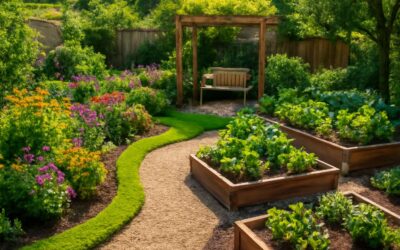
Flow is the garden’s spine and first sentence. In South Africa’s sun-burnished climate, a well-planned route does more than connect spaces; it choreographs light, breeze, and shade so the eye travels with ease and anticipation.
Design principles for practical garden journal pathways, containers, and spatial flow hinge on clarity, rhythm, and thoughtful containment.
- Maintain clear sightlines and gentle curves that invite exploration.
- Choose materials that endure heat and foot traffic while aging gracefully.
- Place containers to punctuate views, balance weight, and guide movement.
Containers act as punctuation marks in a living page—bold silhouettes at gateways, tucked dramas along borders, and seasonal foliage that shifts the scene. In a garden design journal, these decisions map movement and materials across year-round scenes.
Case Studies: From Idea to Plan
Forty-two percent of South Africa’s landscape designers say the most potent ideas emerge when a sketch deepens into a garden design journal. From Idea to Plan, case studies trace that arc: a whisper of intention becomes a concrete route, a mood board becomes a seasonal ceremony, and light, breeze, and heat bend around every corner with eerie grace!
- Idea capture anchors the future plan
- Spatial logic translates into moveable palettes
- Material aging becomes a narrative rather than a constraint
Studied outcomes show how a narrow pathway grows into a guiding thread, how containers punctuate views, and how annual foliage—murmuring in winter and reveling in summer—reframes space under the harsh SA sun. These case studies turn vagueness into plan, fear into form, and movement into quiet revelation.
Tools and Resources for Recording Your Garden Ideas
Layout Templates and Quick Loggers
Dreams bloom when ideas are captured at the moment they shimmer—inside a garden design journal, where tools turn whispers into blueprints you can walk through, refine, and share with sunlight before they fade in every SA garden.
Tools and resources to have on hand include layout templates and quick loggers that keep momentum steady.
- Grid and radial layout templates for bed and path planning
- Pocket quick loggers to note weather, bloom times, and scent notes
- Symbol library for plant types and textures
- Digital companions with cloud sync for on-the-go edits
With these, even a corner balcony or sun-scorched courtyard becomes a stage for ideas to flourish in South Africa’s climate, transcribed into the garden design journal.
Photo Documentation and Visual Records
“A garden is a map of the heart,” and the garden design journal is where those maps take root. In South Africa’s sun-charmed spaces, moments of shimmer become plans you can walk through.
Photo documentation and visual records grow from a simple toolkit and regular practice. Natural light, steady framing, and a consistent scale keep ideas legible across seasons.
- Smartphone or mirrorless camera with HDR and a fixed grid
- Weatherproof notebook for dates, blooms, and scents
- Color calibration card and a portable tripod for stable shots
- Cloud-synced photo album backup
These records become a living record, guiding edits and sharing sunlight before ideas fade.
Tracking Planting Dates and Growth Stages
In South Africa’s sun-drenched spaces, a garden design journal acts as a compass for idea and light. “A garden is a map of the heart,” and this journal translates that map into walking paths and seasonally shifting color. I’ve learned that the toolkit for recording grows lean with habit, but its power scales with consistency.
Tools and resources to keep ideas legible across seasons include:
- Weatherproof notebook for dates, blooms, and scents
- Cloud-synced photo backup to track growth stages
- Fixed-grid smartphone or mirrorless camera with HDR for stable, comparable shots
These records become a living library that gathers sunlight, nods to changes in light and microclimates, and guides narrative edits as the garden evolves with the landscape.
Resources for Plant Hardiness and Zone Data
One study suggests gardeners who log seasonal notes double their bloom success. In South Africa’s sun-scorched spaces, a garden design journal acts as a weatherproof compass and a design storyboard, translating fleeting light into living lines of color. Notes become narratives you can walk through the year, not a dusty attic of ideas.
To keep plant hardiness and zone data trustworthy across seasons, lean on these resources:
- Local plant hardiness and microclimate maps from the South African Weather Service and regional horticulture groups
- USDA hardiness zones as a universal baseline, with site-specific adjustments for coastal or highveld climates
- Frost dates and rainfall patterns drawn from long-term climate normals
Used wisely, these references turn measurements into meaning, letting light, soil, and microclimates align with your garden design journal’s evolving plan.
Integrating Weather Data and Seasonal Impacts
A well-kept garden design journal makes seasons feel longer and colors more alive. In South Africa’s sun-scorched spaces, weather data and seasonal rhythms become a personal blueprint you can walk through year-round.
Tools and resources that help record ideas while weaving in climate signals include:
- Local weather service maps and agro-climate notes for microclimates
- Cloud-based notes with timestamps and light-aware photo archiving
- Geotagged plant labels and digital tags linked to your garden design journal
- Frost dates and rainfall normals from long-term climate records
With care, these resources translate climate nuance into a living storyboard your garden design journal can carry from season to season.
From Notes to Action: Seasonal Planning with Your Journal
Turning Journal Notes into Seasonal To-Dos
One well-kept note can steer a season’s design. A garden design journal turns quiet observations into a living map, guiding choices as the South African year tilts from blistering summer to first frost. It’s not just about what grows, but when and how the space feels—a whisper that invites you to translate memory into action without losing the story.
From Notes to Action is less about checklists and more about aligning intention with time. Consider these conceptual prompts to coax notes into seasonal to-dos:
- Seasonal cues that surface in your observations
- Aesthetic intentions versus practical needs across the year
- Microclimate behavior and plant responses as the seasons shift
When the journal speaks in this way, the season’s plan takes shape with quiet momentum. It becomes a living archive, a ritual that marries memory to momentum and keeps the garden design journal alive through the year.
Project Planning: Budget, Materials, and Timeline
Time is a stubborn compass in a South African garden, and a garden design journal helps you read its needle. This journal turns project planning—budget, materials, and timeline—into a living dialogue rather than a checklist, guiding choices as the year tilts from blistering heat to first frost. It holds memory as both seed and strategy, a moral map of care. I have seen memory redirect design with quiet resolve.
Within its margins, you encounter the subtle tension between what you want and what you can sustain. Consider these guiding prompts:
- Budget as a constraint that shapes long-term beauty
- Materials chosen for local climate resilience
- Timeline felt as seasonal rhythm rather than an imposed deadline
It becomes a living archive, turning desire into time-bound action while keeping the story honest and the project human.
Reviewing and Reflecting: When to Revisit Entries
“Seasonality is the garden’s love language,” and in a South African yard that language is spoken in heatwaves and the scent of rain before it arrives. The garden design journal becomes your translator, turning memory into method and memory into action. It treats shifting sun, wind, and soil as a conversation, not a tyrant.
Reviewing and reflecting isn’t nostalgia—it’s planning fuel. Revisit entries when a season turns and the results tug you toward a tweak rather than a wholesale overhaul. Use seasonal prompts to decide what to act on next:
- which plants thrived in the last heat and why
- which irrigation tweaks cut water use without sacrificing growth
- which new plantings to trial as the climate shifts
Let those notes become next season’s map. This journal keeps the project humane and the landscape responsive, a witty compass that smiles at your ambitions while nudging them toward reality.
Collaboration: Sharing and Co-design with Family or Clients
From Notes to Action: Seasonal planning breathes life into collaborative spaces! In a South African yard, the most enduring ideas often surface when a garden design journal is shared with family and clients, and the season itself becomes a co-author. A simple line of dialogue can turn a sketch into a living plan that respects sun, wind, and water.
- Co-creation assigns meaning and fosters shared commitment
- Notes become a language both designer and owner understand
- Seasonal prompts steer conversations toward elegant, practical changes
With this approach, the garden design journal acts as a witty mediator, translating diverse desires into a cohesive path that sustains care and curiosity long after the initial consultation.
Archiving Past Seasons for Long-Term Trends
A telling stat from South Africa’s garden designers shows that a garden design journal, kept across seasons, trims planning cycles by about half. Seasonality isn’t a constraint here; it’s a living ledger. The yard itself becomes a co-author, its sun angles, wind shifts, and water rhythms whisper edits that matter most.
As notes accumulate, archived seasons reveal long-term trends that a single glance can’t summon. The journal becomes a living document of microclimates, water needs, and seasonal palette navigation.
- Patterns in bloom timing across years
- Shifts in sun exposure and wind corridors
- Soil moisture and drainage responses after rain events
From notes to a cohesive path, this approach mediates diverse desires into a durable plan that stays alive, curious, and resilient in a South African yard.



0 Comments