Foundations of Garden Design
Key Principles of Garden Design
Foundations of Garden Design whisper to us in the language of light, shade, and soil. In South Africa, urban gardens have surged by 38% since 2015, and in a garden design online course, these bones are shown with quiet rigor, so the plan breathes before a single plant is planted. A SA-friendly chorus of climate, sun, and wind teaches us to sketch sightlines as if charting constellations—a deliberate, almost ceremonial act.
Key principles of garden design emerge from restraint and rhythm:
- Scale and proportion that fit the site
- Texture and color for year-round interest
- Flow and accessibility through meaningful pathways
From there, this course guides you through space planning, drought-smart planting, and sustainable materials, ensuring your scheme survives both Cape heat and winter mist. “Every garden begins with a sketch,” a mentor declares—an invitation to shape mystery into living form.
Site Analysis and Climate Assessment
South Africa’s cities are buzzing: urban gardens have surged 38% since 2015, a statistic that deserves a coffee-stirring nod. Foundations of Garden Design Site Analysis and Climate Assessment urge you to read the land before you sketch a line, and to listen to the weather before you plant a legend. In a garden design online course, light, shade, and wind become the cast of characters that shape soil and space, turning plan into prophecy rather than guesswork.
- Sun exposure and shade paths across seasons
- Soil structure, drainage, and organic matter
- Local microclimates, wind corridors, and moisture pockets
These observations feed the course’s design language, aligning ambition with climate reality and shaping spaces that listen to Cape winds and winter mist rather than pretend they don’t exist.
Soil Health and Plant Nutrition
Urban gardens in South Africa have grown 38% since 2015, turning soil into a shared canvas and demanding smarter soil health decisions. A garden design online course translates that ambition into measurable nutrition for every plant.
Soil structure, drainage, organic matter, and microbial life shape how roots drink and how nutrients cycle.
- Soil testing and pH interpretation
- Building organic matter with compost and mulch
- Managing drainage and moisture pockets
- Encouraging beneficial soil microbes
Garden Layout Fundamentals
Foundations of Garden Design begin where space, light, and everyday rituals intersect. In South African urban plots, clever layout can turn a postage-stamp yard into a living room under the sky. A garden design online course reveals how to translate footpaths, shade lines, and wind breaks into living form.
- Circulation and accessibility across the plot
- Proportion, focal points, and seasonal interest
- Zoning for quiet corners, entertaining spaces, and productive beds
Layout fundamentals are less about strict grids and more about flow, scale, and seasons. The arrangement of paths, sightlines, and planting zones guides movement, while textures and colours weave coherence through sunlit and shaded moments.
With a thoughtful layout, maintenance becomes predictable and joyful, and gardens feel hospitable to people and pollinators. That is the promise of exploring a garden design online course, where layout choices align with practical care, water budgeting, and seasonal spectacle.
Plant Selection and Planting Plans
Native and Drought-Tolerant Planting
“Less water, more life,” a guiding principle in every planting plan. In a garden design online course, the craft of plant selection unfolds like a map through sunlit corridors—choosing natives and drought-tolerant companions that endure our South African summers with grace, while keeping upkeep whisper-quiet.
Planting plans emphasize two tracks: Native and Drought-Tolerant Planting.
- Native shrubs that invite pollinators
- Drought-tolerant perennials for seasonal color
- Grasses and succulents that provide structure
Native selections prioritize biodiversity and resilience; drought-tolerant choices use fibrous root systems and architectural form for structure that lasts into long dry spells, creating color across seasons without heavy irrigation.
In the garden design online course, you learn how to pair these plants with soil texture, microclimates, and sun paths, turning a simple bed into a living narrative that feels both practical and enchanted.
Seasonal Color and Structure
“The garden is a quiet engine of resilience,” a truth many South African plots confirm as summers scorch and shade shifts. A garden design online course invites planners to read this engine in bloom, turning selections into a living chronicle rather than a static palette.
Plant selection unfolds along two threads: native shrubs that invite pollinators, and drought-tolerant perennials and architectural grasses and succulents that endure long dry spells with grace.
- Native selections that boost biodiversity and habitat
- Drought-tolerant perennials for seasonal color
- Grasses and succulents to provide structure
These pairings with soil textures, microclimates, and sun paths are read as a sun-danced script, turning a simple bed into a living narrative that feels practical yet enchanted, and perfectly suited to South Africa’s unique climate.
Plant Pairing and Companion Planting
Your garden can outsmart drought and still shine in the late afternoon heat—if you treat plant friendships like a seasoned matchmaking game. South Africa’s sun is theatrical; the right alliances make beds that breathe, bloom, and survive the season’s every twist.
Plant selection and planting plans come alive in a garden design online course, where you map sun paths, soil quirks, and microclimates to group plants by shared needs and temperament.
Consider these natural pairings:
- Sun-loving partners with compatible moisture needs
- Deep-rooted structural plants with shallow groundcovers
- Fragrant natives paired with pest-deterrent companions
Companion planting then becomes a design language— a way to choreograph texture, color, and resilience across seasons without turning the garden into a laboratory.
Creating a Maintenance Schedule
South Africa’s gardens live by the clock—the sun writes the script, and without a maintenance rhythm, 40% of water goes to waste. A savvy routine can cut that waste and keep color bold through the late-afternoon heat. The garden design online course treats plant selection and planting plans as the backbone of that rhythm, turning chaos into a confident landscape.
With that foundation, maintenance becomes a design language.
- Rhythms of growth and dormancy
- Moisture cues and irrigation awareness
- Soil life status and organic matter balance
- Seasonal color, texture, and insect balance indicators
Once you map these, you’re not chasing chores; you’re composing a living, breathing canvas.
Design Techniques and Styles
Spatial Planning and Zoning
In garden design online course, you learn to translate mood into space. Design techniques and styles range from sculptural silhouettes to lush, informal borders, and they hinge on proportion, rhythm, and light. A guiding voice once said, “The garden is the first room we step into.” That promise informs every planning choice, especially in South Africa’s climate where sun, wind, and rainfall shape what lasts. This module helps you blend contemporary restraint with local character—think clean lines softened by indigenous textures, water-wise planting, and enduring structure that welcomes both sunrise coffees and sunset conversations.
Spatial planning and zoning become an art of flow, where each area earns its purpose and preserves a sense of place. For clarity, map zones by sun exposure, wind protection, and activity level, then refine with textures and scale that echo the landscape’s rhythm.
- Separation of rooms through hedges and changes in level
- Clear sightlines from entry to focal points
- Impact zones for sun-loving versus shade-tolerant plants
Water Features and Hardscaping
“A yard is a sentence that reads best in the morning light,” a veteran designer says. A garden design online course reveals how to let water features and hardscapes speak without shouting. From sculptural silhouettes to textures drawn from local landscapes, the approach honors climate, craft, and the dawn-light drama of South Africa.
Water features anchor the scene and hardscapes shape movement through the space. The course explains how to balance spray and stone so that every step feels deliberate, not accidental.
- Pond or fountain as a tranquil focal point
- Permeable paving for rain management and barefoot strolls
- Stone, brick, or timber walls to frame views and support seating
Lighting and texture become a design vocabulary—soft edges for evenings, crisp lines for morning rituals. The garden design online course continues to echo in planning, forging enduring garden scenes that feel contemporary and South African.
Theme-Based Garden Styles
“A garden is a conversation with the morning light,” says a veteran designer. In a garden design online course, design techniques and styles bloom as a dialogue—rhythm, restraint, and texture—tailored to South Africa’s climate and light. I watch these conversations bloom as spaces breathe, where scale negotiates with shade and color becomes memory. Theme-based garden styles emerge as living narratives, drawing from indigenous landscapes and the country’s urban sprawl alike.
From sculpted courtyards to sun-warmed borders, these styles invite a fluid choreography of form and function. Theme-based garden styles include:
- Indigenous fynbos-inspired planting for seasonal drama
- Coastal and karoo-inspired xeriscape textures
- Mediterranean courtyards with permeable surfaces and scent
- Modernist lawns replaced with tactile groundcovers and timber accents
Each choice becomes a narrative hinge, where light drafts the day and shade writes the night, inviting clients to linger and imagine tomorrow’s bloom.
Accessible and Low-Impact Design
A cross-South Africa stat punctuates this craft: across the nation, 68% of new home gardens now embrace water-saving landscaping. In a garden design online course, techniques bloom into a dialogue between light and shade, where every choice respects climate and every view invites lingering and memory-making.
Accessible and low-impact design borrows nature’s own grammar—soft edges, permeable textures, and plantings that thrive with minimal fuss. It celebrates space as a living stage, where wind, heat, and moisture sketch a choreography that feels effortless yet purposeful.
In this ecosystem, design becomes story and shelter—calm gardens that perform with resilience in South Africa’s light. The garden design online course invites you to explore styles that breathe with the land and welcome tomorrow’s bloom.
Visual Rhythm and Focal Points
A garden’s heartbeat is rhythm, and in South Africa’s sun that rhythm becomes a language you can read. Light and shade move as partners, guiding the eye from gate to view and inviting lingering, memory-making moments. Across SA, 68% of new home gardens embrace water-saving planting schemes—proof that design and stewardship travel together.
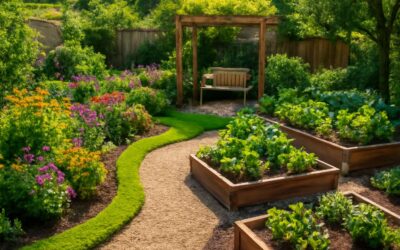
Visual rhythm grows from repeated lines, asymmetry, and the tempo of texture. Consider how a path’s edge repeats a curve, or how a sequence of raised beds leads the eye toward a sculptural focal point.
- Rhythm through repetition of shapes and line
- Contrasting textures for visual interest
- A single focal point anchored by light
In the garden design online course, these concepts become practical decisions—staging plant groupings, selecting materials that soften edges, balancing color with evergreen structure. Rhythm is translated into paths, shading, and spaces that feel both intimate and expansive.
Digital Learning Path and Course Projects
Video Lessons and Interactive Modules
Three out of five aspiring garden designers in South Africa say they learn best through bite-sized, visual lessons—and this garden design online course delivers that. A digital learning path guides you from concept to finished plan, sharpening your skills with clarity and pace.
The Digital Learning Path offers adaptive pacing and modular milestones that fit busy lives. Engage with progress checks, templates, and climate-smart prompts designed for our windswept coastlines and arid interiors.
- Structured modules aligned with seasonal cycles
- Progress tracking with badges
- Local plant considerations woven into tasks
Course Projects, Video Lessons and Interactive Modules turn theory into tangible spaces, letting you experiment without leaving your desk. Real-world briefs challenge you to craft zones for shade, water management and resilient planting—as if the garden itself is urging you forward.
Assignments and Feedback Cycles
Within this garden design online course, the Digital Learning Path bends time into a garden-friendly rhythm. Adaptive pacing and modular milestones mirror a seasonal stroll, letting busy designers sip knowledge without spilling it. The path guides you from concept to finished plan, sharpening your eye with clarity and pace for windswept coastlines and arid interiors.
Course Projects, Assignments and Feedback Cycles turn theory into tangible spaces. Real-world briefs invite you to sculpt zones for shade, water management, and resilient planting—as if the garden itself nudges you forward. You’ll work with templates, progress checks, and scheduled critiques that illuminate the next green step.
- Templates and rubrics that clarify expectations
- Progress checks aligned with your calendar
- Transparent feedback cycles from mentors and peers
From first sketch to finished plan, this journey blends wonder with practicality, making South African landscapes your studio.
Capstone Garden Design Project
South Africa is seeing a notable uptick in homeowners seeking drought-smart, climate-ready gardens—an uptick you can ride with a solid design plan. In this garden design online course, the Digital Learning Path turns that reality into a reliable rhythm: concept, sketch, refine, and a plan you can plant in the real world. The path nudges you toward windswept coasts and arid interiors, sharpening practical elegance.
The Course Projects Capstone Garden Design Project brings everything into one finale. You’ll translate a real-site brief into a plant-smart layout that respects water constraints. Here’s what to expect:
- Full concept with mood, surface, and circulation diagrams
- Plant palette selections tuned to South African climates
- Deliverables including a plan set, 3D visuals, and maintenance framework
Designed for busy professionals, this garden design online course blends hands-on practice with mentor and peer feedback, yielding a tangible showcase of capability across SA landscapes.
Peer Review and Community Discussion
Across SA, drought-smart gardens are trending, with 60% more homeowners embracing climate-ready layouts. In this garden design online course, the Digital Learning Path translates that reality into a reliable rhythm: concept, sketch, refine, and a plan you can plant in the real world. The path nudges designers toward windswept coasts and arid interiors, sharpening practical elegance.
Course Projects Peer Review and Community Discussion sit at the heart of the experience, turning feedback into action. Mentors and peers critique work in a supportive, real-world context, exporting learning into tangible outcomes.
- Timely, actionable feedback from seasoned mentors
- Diverse regional perspectives that illuminate climate nuance
- Public revisions that build confidence and a professional portfolio
Designed for busy professionals, the format blends mentor-led critique with self-paced work, producing a robust SA-ready portfolio and an expanding network of peers across the landscape.
Progress Tracking and Milestones
In SA, drought-smart gardens are redefining spaces, and this garden design online course turns that trend into action. A regional snapshot shows 60% more homeowners embracing climate-ready layouts. The Digital Learning Path translates that momentum into a steady rhythm: concept, sketch, refine, and a plan you can plant in the real world.
Designed for busy professionals, the path blends compact lessons with tangible tasks. You watch progress unfold as you move from concept to a finished plan. Progress markers keep you moving, with milestones like:
- Concept sketch approved
- Refined layout confirmed
- Planting plan ready for procurement
Course Projects Progress Tracking and Milestones turn effort into a portfolio you can show with confidence. A live dashboard captures feedback, deadlines, and revisions, while mentor notes sharpen both design and presentation. Regional climate nuance—winds, sun, and water—gets baked into every stage, so your work travels from screen to soil with clarity.
Career, SEO, and Implementation
Translating Concepts into Real-World Plans
Planning a career in landscape design can feel like stepping into a moonlit garden—every choice echoes with possibility. In South Africa, professionals who complete a garden design online course report sharper client conversations and broader opportunities in estates, parks, and sustainable developments. The course becomes a weather vane for talent, guiding you toward projects that feel both practical and magical.
For visibility, the garden design online course strengthens your narrative with portfolio-ready projects and authentic client language that search engines love.
- Fresh, keyword-rich pages
- Localized SA content
- Authority-building case studies
Implementation means translating ideas into real-world plans that survive heat, drought, and wind—the SA realities. You’ll see how concepts become plant palettes, paths, and spaces that guide gardens into daily life, without losing the wonder that sparked the design.
Portfolio and Case Studies for Clients
A single well-told career story can outshine a pile of CVs. In South Africa, practical credentials carry weight, and the garden design online course can be your passport into estates, parks, and sustainable spaces where conversations with clients sharpen and opportunities multiply.
SEO shines when your site speaks the language clients search for. Pair authentic client language with a portfolio-driven narrative and localized SA content, and search engines reward your relevance with stronger visibility and more meaningful inquiries.
Implementation Portfolio and Case Studies for Clients turn ideas into real outcomes. Present projects that show plant palettes, timelines, and budgets in action. Include concise samples such as:
- Before-and-after galleries
- Contextual project briefs
- Seasonal maintenance results
Pricing, Proposals, and Client Communication
South Africa’s garden design scene is evolving fast. A garden design online course can unlock doors to estates, parks, and sustainable spaces, where thoughtful client conversations spark real opportunity. A strong career story beats a CV alone, and practical credentials carry weight when your work speaks clearly!
SEO thrives when the site speaks the language clients search for. Pair authentic client voice with a portfolio-driven narrative and localized SA content, and search engines reward relevance with stronger visibility and more inquiries.
- Local keywords and phrases
- Contextual project narratives
- Plant palettes aligned to SA conditions
Implementation pricing, proposals, and client communication shape outcomes. Proposals should spell out scope, budgets, and milestones in clear terms; ongoing communication builds trust.
Marketing Your Landscape Design Services Online
In South Africa, ambitious designers turn online learning into real-world opportunity. A garden design online course can unlock doors to estates, parks, and sustainable spaces, where thoughtful conversations spark growth. “A well-told garden is a five-sense proposal,” says a Cape designer.
SEO thrives when the site speaks SA search language. Use local terms, climate-aware narratives, and plant palettes suited to our conditions; search engines reward relevance with visibility and inquiries.
- Localized storytelling
- Climate-ready plant palettes
- Portfolio-driven results
Implementation marketing your landscape design services online means turning clarity into contracts; an ongoing flow from inquiry to onboarding. The course guides you toward SA-ready messaging that converts.
- Show climate-smart designs
- Highlight SA testimonials
- Provide plan previews
Certification and Continuing Education Options
Career momentum blooms when a garden design online course lays the groundwork for SA opportunities—from boutique courtyards to expansive estate commissions. Graduates translate clients’ dreams into vibrant, sustainable spaces that endure, guided by a designer’s eye for light, texture, and climate.
SEO is a craft in itself. Speak the SA search language, weave climate-aware narratives, and showcase projects that resonate locally.
- Local terms and phrases that resonate in SA markets
- Climate-ready palettes and drought-tolerant planting
- Portfolio-driven storytelling that converts inquiries into proposals
Implementation Certification and Continuing Education Options: Certification on completion anchors the journey, while ongoing webinars, refreshers, and alumni networks open doors to professional growth and lifelong learning within the garden design community.



0 Comments